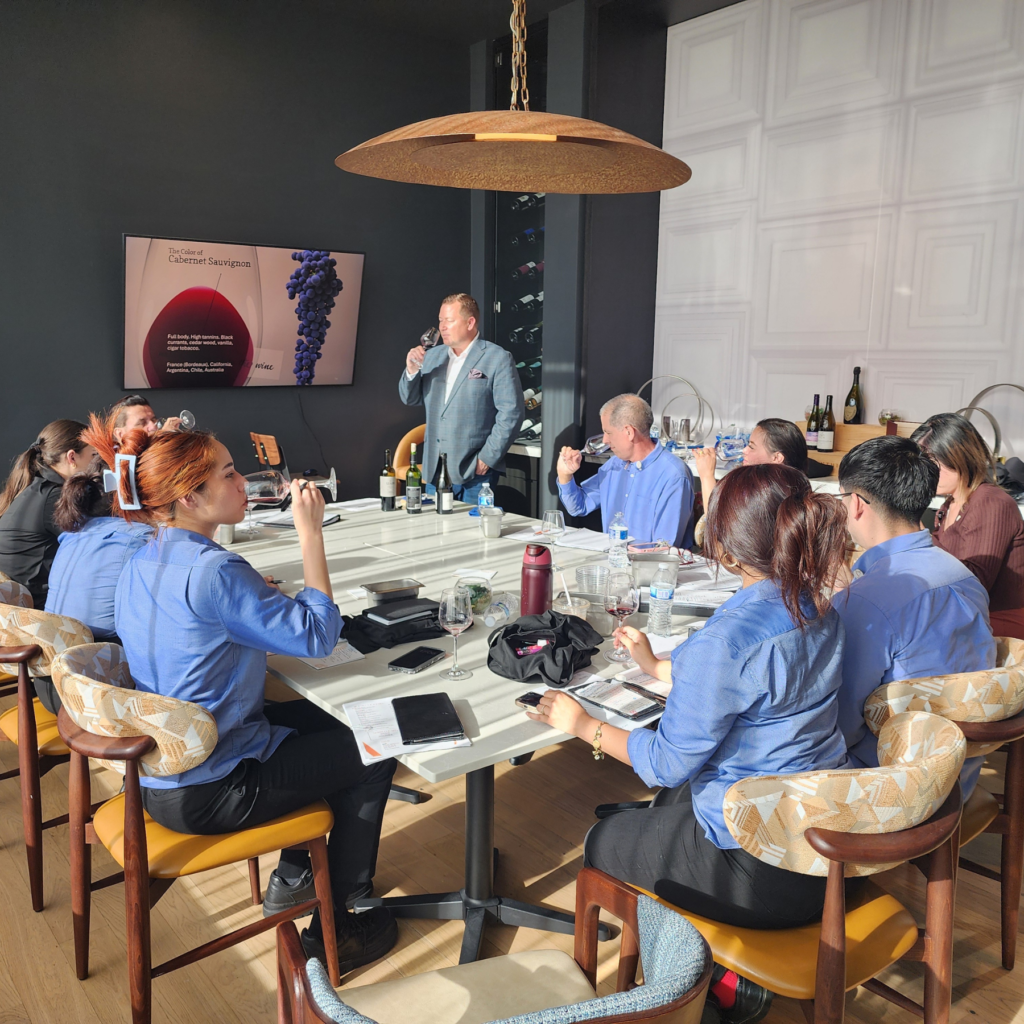
In restaurants, bars, tasting rooms, and even private gatherings at home, alcohol is often part of the experience, but understanding it is what elevates the experience. Alcohol education doesn’t have to feel stiff, pretentious, or like sitting through a sales pitch. In fact, the best education is engaging, memorable, and practical enough to use the very next day behind the bar or around the dinner table.
Many restaurants have 50% or more in alcohol sales, yet education is rarely focused on. Here’s why investing in alcohol education for restaurant staff or even hosting a tasting with friends at home can be one of the smartest and most enjoyable decisions you make.
1. Knowledge Creates Confidence
Guests can immediately tell when a server or bartender genuinely knows what they’re talking about. Confidence turns simple recommendations into trusted guidance.
Instead of:
“I think this one is good…”
Staff can say:
“This tequila is aged a little longer, so you’ll get more vanilla and caramel notes instead of that sharp bite some blancos have.”
That kind of confidence improves guest trust, increases check averages naturally, and makes hospitality feel more personal.
2. Education Makes Service More Fun
Guests love stories. Alcohol is full of them.
From centuries-old distillation traditions to bizarre liquor laws and unexpected flavor combinations, liquor education turns products into experiences. Training sessions become interactive conversations instead of dry memorization exercises.
The result? Staff become more engaged because they’re learning things they actually want to talk about.
3. Better Training Leads to Better Sales without “Selling”
Guests don’t want to feel pressured. They do want helpful recommendations.
When staff understand flavor profiles, production methods, and pairing concepts, they can guide guests naturally toward drinks they’ll genuinely enjoy. That creates better guest experiences and stronger sales at the same time.
The best upselling never sounds like upselling.
4. Independent Education Means Real Information
One of the biggest problems in alcohol education is bias.
Trainings led by suppliers or distributors have a goal ultimately to promote their own products. That can be useful for brand familiarity, but it often leaves out broader context.
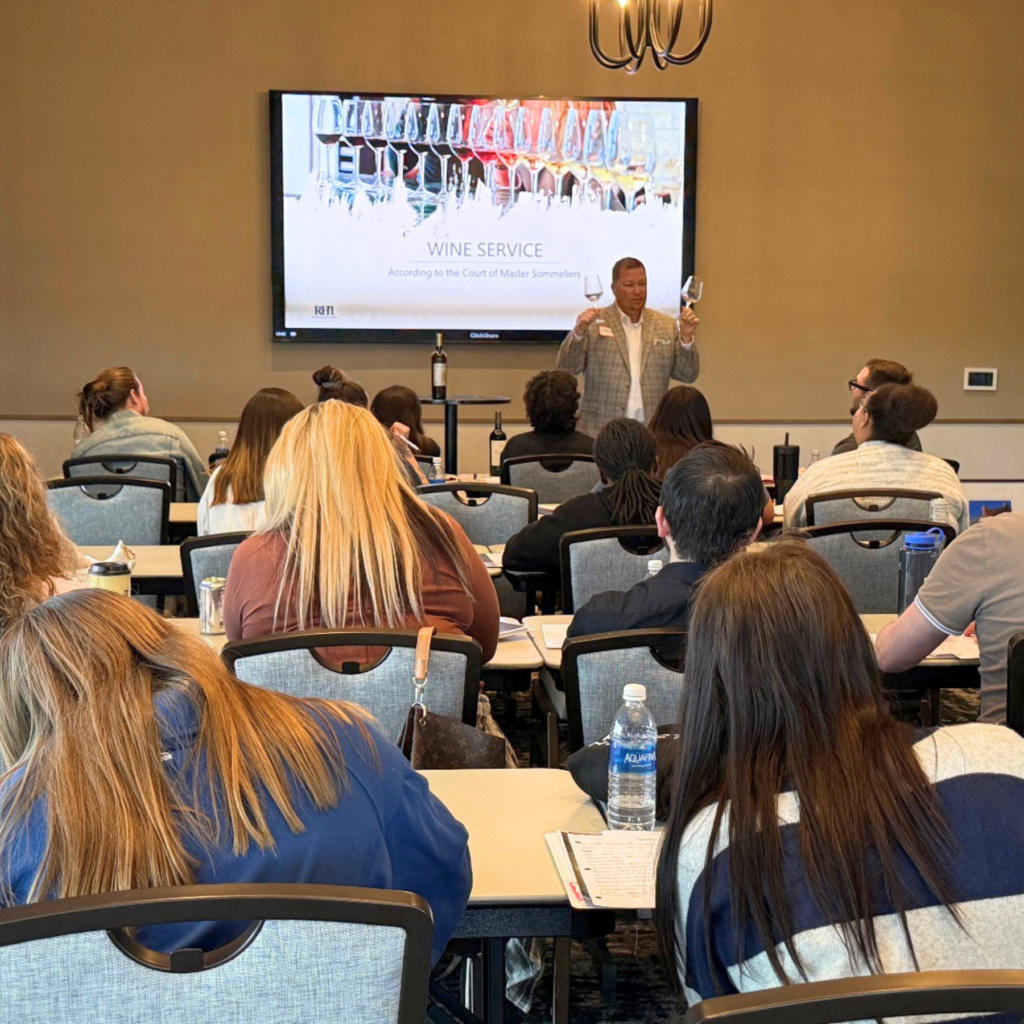
Independent alcohol education changes the game. RHI’s libation educators maintain industry certifications including but not limited to The Court of Master Sommeliers, Cicerone Certification Program, and Sake Education Council. Libations featured in each course are hand-picked by our educators.
The benefit of an RHI training is no ties to wineries, distilleries, or vendors so our training can focus on:
- Real production facts
- Honest category comparisons
- Industry truths
- Blind tasting skills
- Understanding why products differ
Not just why one supplier thinks theirs is the best.
That gives staff and guests knowledge they can actually carry with them anywhere.
5. Staff Retention Improves When Employees Feel Invested In
Restaurants that invest in education stand out.
Training communicates:
“We value your growth, not just your labor.”
Employees who feel they’re learning valuable, transferable skills are often more engaged and more loyal. Education helps create professionals instead of order-takers.
And professionals tend to stick around longer.
6. Guests Notice the Difference Immediately
A knowledgeable staff changes the atmosphere of a restaurant.
Guests feel more comfortable asking questions. Conversations become more engaging. Recommendations feel curated instead of rehearsed.
Even casual diners appreciate when someone can explain:
- The difference between tequila and mezcal
- Why one wine feels “dry”
- How aging changes whiskey
- Why certain cocktails taste balanced
It transforms a meal into an experience.
7. At Home Tastings Turn Ordinary Gatherings Into Memorable Events
Alcohol education isn't just for restaurants. RHI offers group training in-home, on location, or at our offices.
Hosting guided tastings at home with friends can turn a standard get-together into something interactive and unforgettable. People love learning while they sip, especially when the environment feels relaxed and approachable.
A good tasting creates conversation, laughter, and discovery without feeling formal or intimidating.
And unlike scrolling through phones all night, guests actually engage with each other.
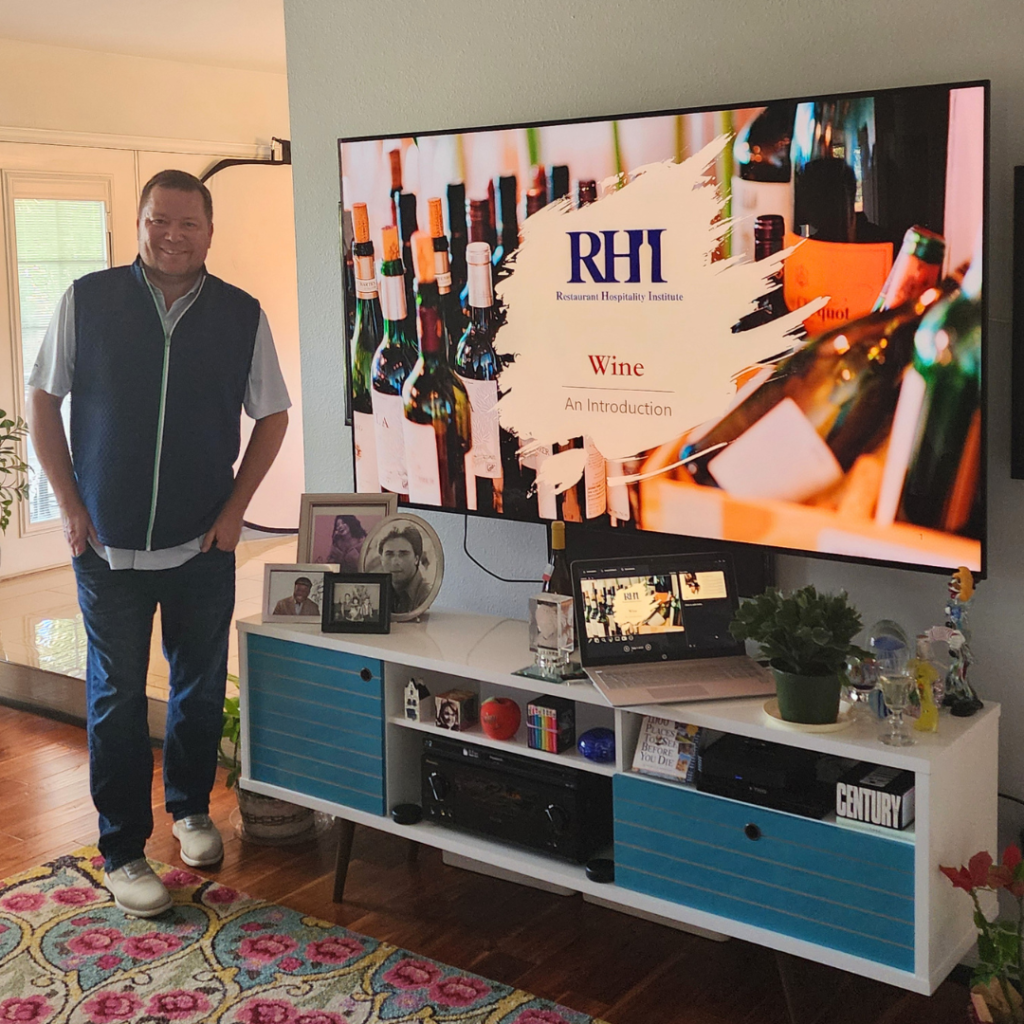
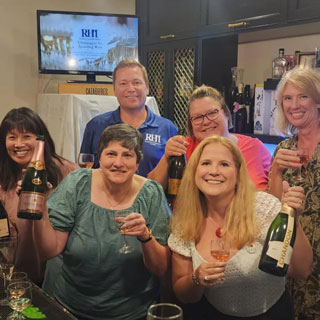
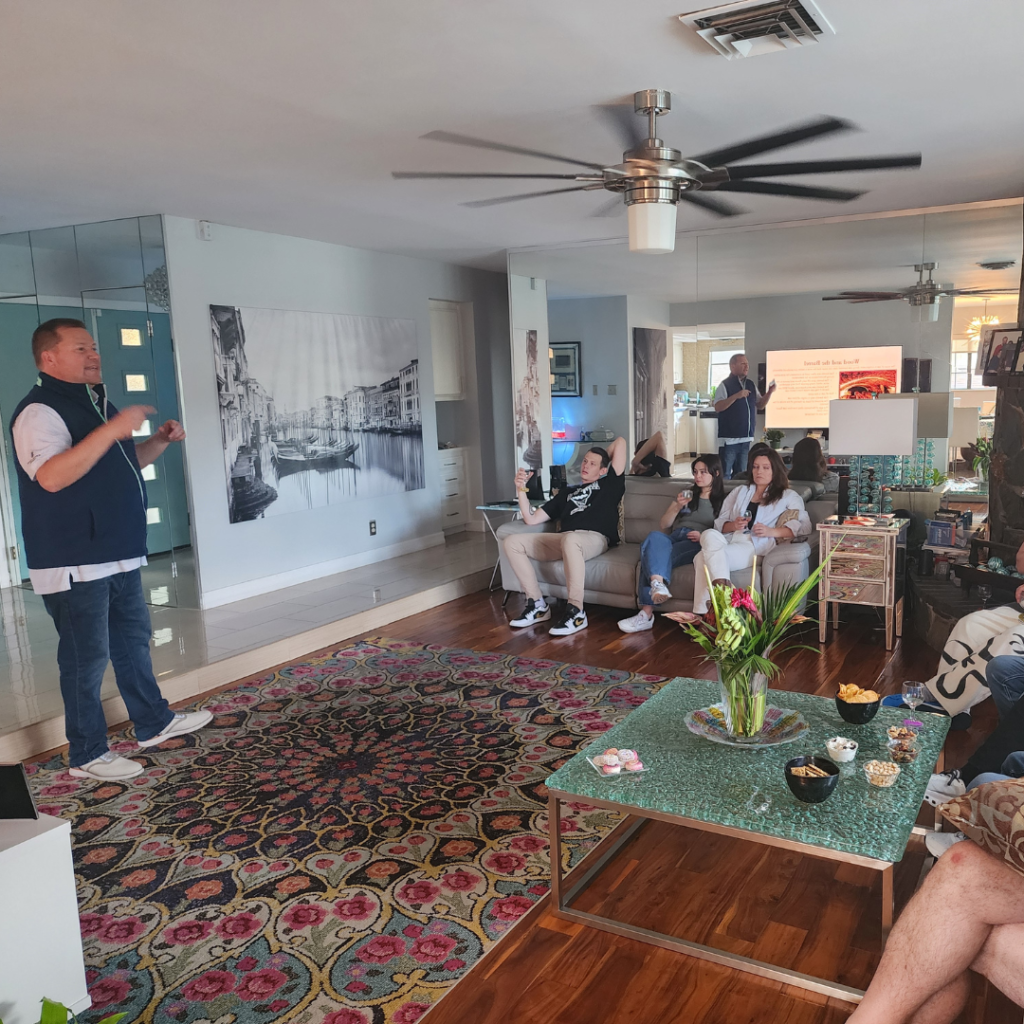
“Thank you so much for a wonderful evening. It was so informative and I loved Mark's presentation. I now feel like I can do a better job when I go to Total Wine!!"
- Vicky Flynn, participant in Alpha Chi Omega's in-home Champagne class.
8. Education Helps Demystify Alcohol
A lot of people think they “don’t know enough” about wine or spirits. That intimidation keeps them from exploring new things.
Good alcohol education removes the snobbery.
It teaches people that tasting is subjective, preferences are personal, and there’s no secret club they need permission to join. Once people understand the basics, they become more adventurous and more confident in what they enjoy.
9. Understanding Spirits Helps Prevent Waste
Training doesn’t just improve guest experiences, it also improves operations.
Educated staff are often better at:
- Proper pours
- Cocktail consistency
- Storage practices
- Inventory awareness
- Product rotation
That means fewer mistakes, less waste, and more consistency across service.
10. Great Education Stays With You Forever
Trends come and go. Brands change. New products launch every week. But foundational knowledge lasts.
When people understand the actual mechanics of spirits, wine, beer, and cocktails like fermentation, distillation, aging, balance, pairing, flavor structure, they can apply that knowledge anywhere.
That’s the value of independent education: not memorizing marketing points, but learning concepts that genuinely stick.
Final Pour
The best alcohol education doesn’t lecture people. It invites them in.
Whether you’re training a restaurant team, elevating a bar program, or hosting a tasting in your own living room, education should feel approachable, entertaining, and useful. When it’s done right, people walk away not only knowing more, but enjoying the experience more too.
And when the education is independent and unbiased, the learning becomes even more valuable: real facts, real conversations, and real-world knowledge that extends far beyond a single bottle label.
Contact Coach Mark Steele to book a training session for your restaurant or private event. You can view a list of our pre-designed courses, or talk to Mark to build a custom training. Or, if you’re sipping solo and simply want to explore an introduction to wine or beer on your own, take our online class available 24/7.