• Skip to main content
(opens in new tab) (opens in new tab) (opens in new tab) (opens in new tab) (opens in new tab)
RHI-Logo-Web-Header-(525x250)
  • Services For
    • Corporate Management
    • FOH & BOH Staff
    • Party Planners
  • Work Cards
  • RHI 101
  • Industry Insights
×
  • Services For
    • Corporate Management
    • FOH & BOH Staff
    • Party Planners
  • Work Cards
  • RHI 101
  • Industry Insights
  • Services For
    • Corporate Executive
    • FOH & BOH Staff
    • Party Planners
  • Work Cards
  • RHI 101
  • Industry Insights
  • Let’s Talk
  • Course Login
×
  • Services For
    • Corporate Executive
    • FOH & BOH Staff
    • Party Planners
  • Work Cards
  • RHI 101
  • Industry Insights
  • Let’s Talk
  • Course Login
  • Let’s Talk
  • Course Login
×
  • Let’s Talk
  • Course Login
(opens in new tab) (opens in new tab) (opens in new tab) (opens in new tab) (opens in new tab)

Industry Insights

Aug 13 2026

Bubbles on a Budget: Best Value Proseccos

There’s a lot to love about Prosecco: the pop of the cork, the lively bubbles, the easygoing Italian spirit—and, perhaps best of all, its ability to turn an ordinary gathering into a celebration. National Prosecco Day, celebrated each year on August 13, is the perfect excuse to raise a glass, gather your favorite people and explore a few bottles that deliver great flavor without requiring a special-occasion budget.

But with so many Proseccos on the shelf, how do you know which bottle is worth the pop? We asked Mark Steele, a Las Vegas-based fourth-generation hospitality professional, certified sommelier and Founder and Chief Education Officer of Restaurant Hospitality Institute (RHI), to share his top value picks. Mark consults with high-end restaurants across the country, using his extensive beverage expertise to curate wine menus. He also leads educational tasting experiences and trains restaurant and bar professionals.

Because Mark isn’t tied to a particular restaurant, brand or distributor, his recommendations are refreshingly unbiased. Whether you’re planning a brunch with friends, a dinner party, a backyard celebration or simply looking for a better bottle for your next happy hour, Mark has rounded up Proseccos that offer exceptional value—and shared his tasting notes and pairing suggestions to help you plan the perfect pour.

Here are Mark’s value-driven picks for celebrating National Prosecco Day.

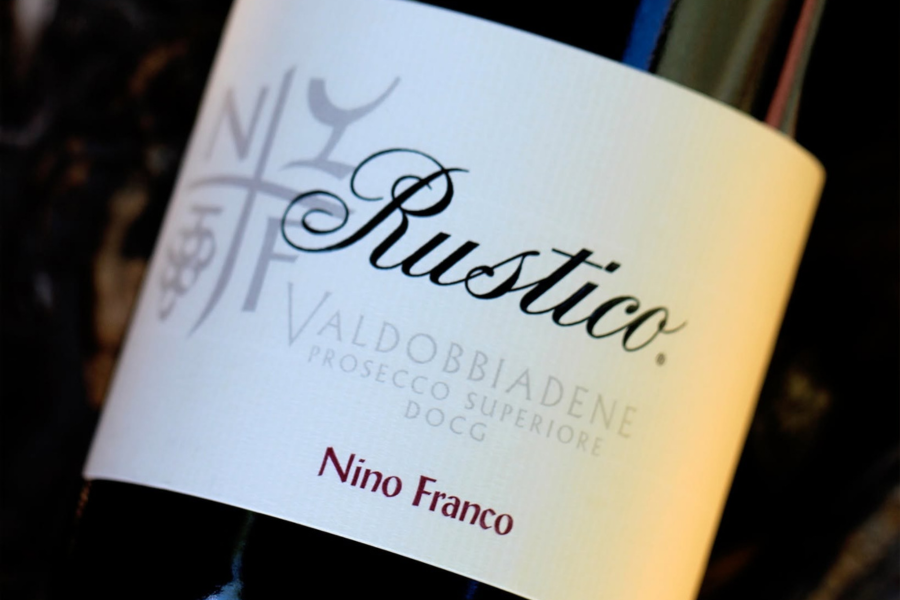
Nino Franco Rustico Prosecco Bottle

Nino Franco Rustico Prosecco (Valdobbiadene DOCG) is one of my favorite wines to recommend that used to be under $20, but now comes in at the $20-30 price range. It’s a very versatile wine, and a great bridge between Prosecco and Champagne drinkers as it appeals to guests who don’t want sweet bubbles. This is likely because it’s a leaner, more mineral-driven wine with a tight structure that makes it less sweet with notes of citrus, green apple, white peach, and subtle salinity. It pairs well with oysters, crudo, shellfish, salty cheeses, charcuterie, and surprisingly - fried chicken as it offers a great contrast to that fried chicken taste.

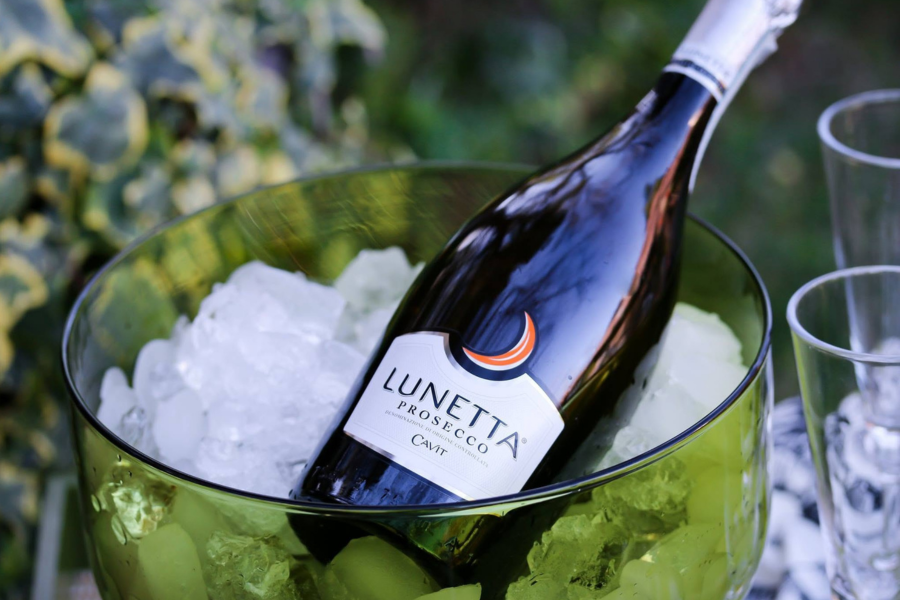
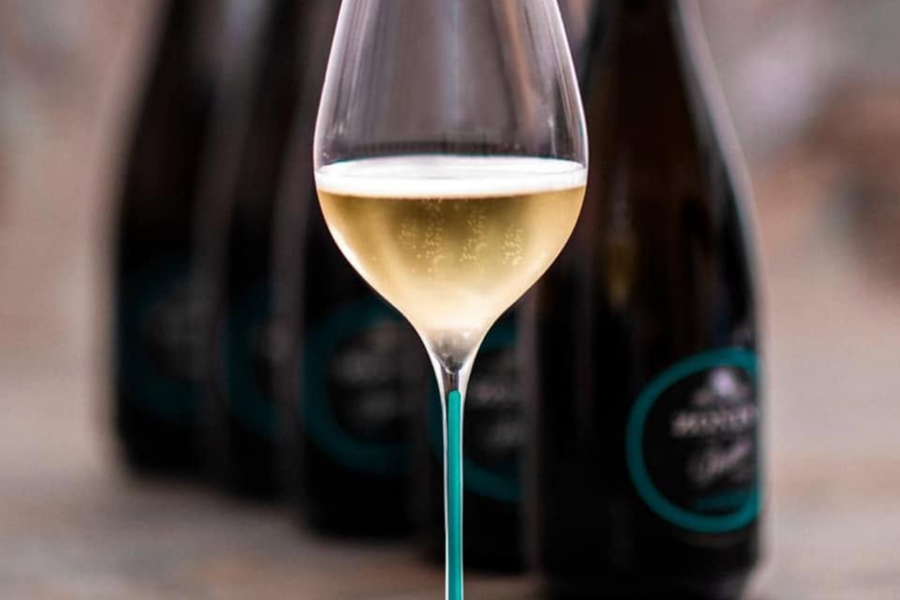
Lunetta Prosecco Bottle

Lunetta Prosecco comes in at about a $13 pricepoint. It’s light-bodied and leans toward the drier side so it’s not so sweet with notes of green apple, pear and subtle citrus. It’s a non-DOCG wine, so production is volume driven, consistency focused which means the consumer gets a more uniform flavor every time. Pair its low price-point with the fact that it’s mimosa friendly and doesn’t compete with or overpower the orange juice, and this bottle really wins the brunch MVP award. It also pairs well with brunch staples like eggs benedict, quiche, fruit plates, and cheeses. Sip yourself over to Lunetta Wines Facebook for ideas on pairing and serving this wine.

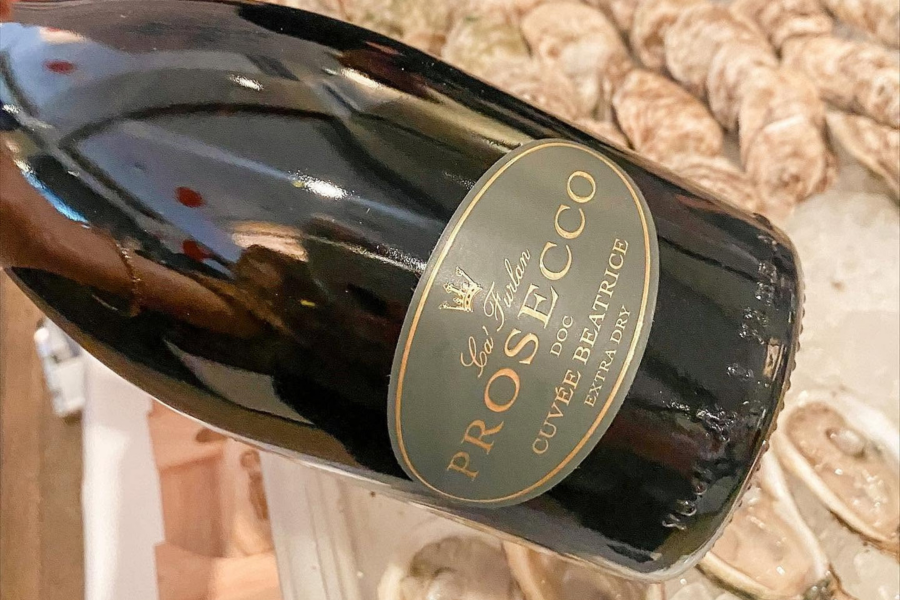
Ca' Furlan Prosecco Bottle

Ca’ Furlan Prosecco is an upgrade from the entry-level prosecco, and a good alternative if you’re looking to branch out from La Marca. It’s also a touch more floral and aromatic than Lunetta Prosecco, with notes of white flowers, ripe pear, and peach skin, but has slightly softer acid and a rounder mid-palate. This one pairs well with lighter foods like prosciutto and melons, seafood like oysters and crab cakes, fruit salads or salads with vinaigrettes. 

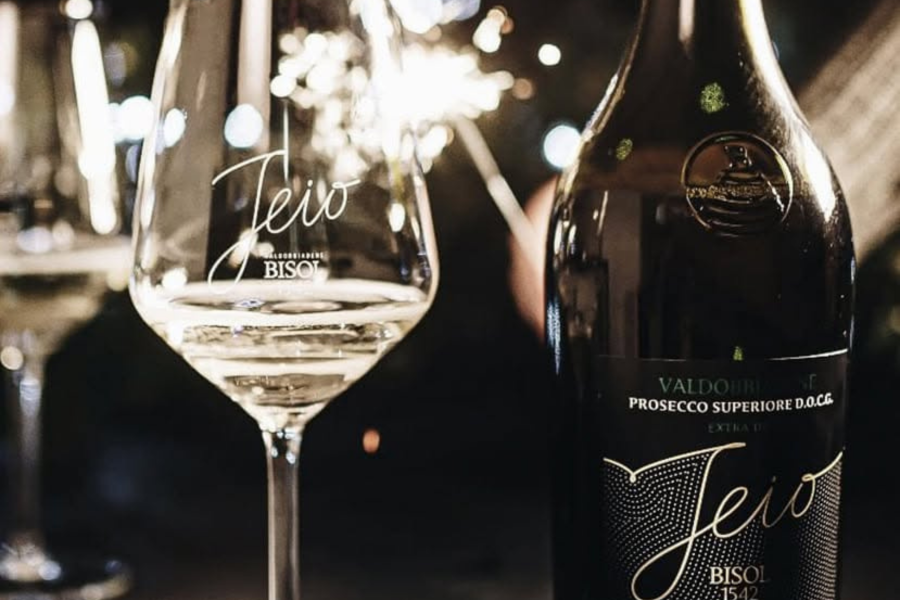
Bisol Jeio Prosecco Bottle with a glass

Depending on where you shop, you can usually find Bisol “Jeio” Prosecco (Valdobbiadene DOCG) at just under the $20 mark, sometimes slightly higher. It’s grown and made on the historic hillside vineyards in Valdobbiadene, resulting in a higher quality fruit. It’s the first “serious” step up you can take in selecting a good prosecco, and you’re sure to taste the quality difference. It has notes of green apple, pear, citrus zest, and light almond that give it a drier feel, more structure and cleaner finish. You’ll want to pair this with fried appetizers (think calamari, arancini), margherita pizza, light pastas and seafood risotto. 

Zonin 1821 Prosecco Bottle with full glass of wine

Zonin Prosecco is one of Italy’s largest family-owned wineries. It’s a consistent, approachable Italian sparkling wine. With notes of green apple, pear, lemon zest, and white flowers, it’s bright, fresh and balanced with an extra-soft finish. Pairs well with fried appetizers, fresh salads, sushi, and light pasta dishes. If you’re drinking with people who prefer non-alcoholic beverages, they also makes a non-alcoholic sparkling alternative called Zonin Cuvée Zero.

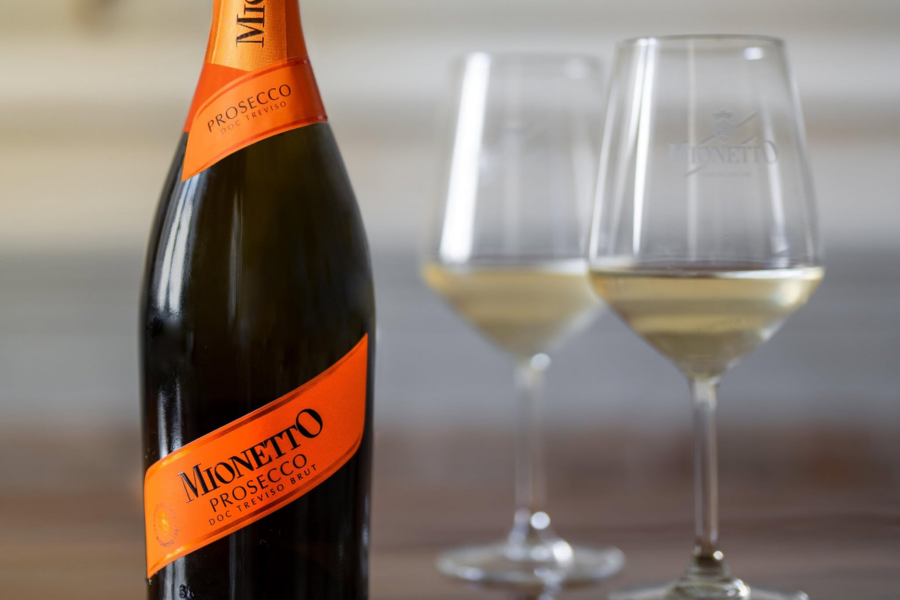
Mionetto Prosecco Bottle with Two Full Wine Glasses

If you’re looking for a value prosecco that would be served at a high-end restaurant, look no further than Mionetto Prosecco. We recently added this to the menu at La Monique in Santa Monica. It’s a great step up from entry-level prosecco while remaining approachable and appeals to anyone looking for an authentic Italian Prosecco. You’ll find those same notes of green apple, pear, white peach and citrus blossom, but with a medium body and fine persistent bubbles. It’s an excellent aperitif and works well with Bellini’s or Spritzes. Pairs well with seafood like shrimp cocktails, oysters and crab cakes or light Italian foods like antipasti, bruschette, and caprese. Lindsay Geddes, Master Sommelier and Wine Director at one of my clients, Carver Steak Las Vegas, also recently recommended this in a similar article for Parade magazine.

Whether you’re reaching for a $13 brunch MVP or stepping up to a beautifully structured Valdobbiadene DOCG, there’s a Prosecco for every palate, occasion and budget. And while National Prosecco Day is a great reason to celebrate, these bottles are versatile enough to keep the party going all year long—from mimosa-fueled brunches and aperitivo hour to dinner parties, date nights and everything in between.

Want to take your appreciation for wine and spirits beyond simply knowing what tastes good? Let Mark Steele be your guide. Through RHI’s Libation Education experiences, Mark takes the knowledge he uses with top hospitality professionals and makes it approachable, entertaining and interactive for groups of all experience levels. You’ll taste, learn and discover how to identify flavors, understand what makes a wine or spirit unique, and—most importantly—have fun doing it.

Ready to raise your glass and learn something new? Book a special Libation Education experience with Mark and turn your next gathering into an experience worth savoring.

Written by Mark Steele · Categorized: Industry Insights

Jul 27 2026

How Your Perception of Closing Hours Is Killing Your Restaurant’s P&L and Loyalty

A candid look at closing hour policies and procedures directly from RHI Founder Mark Steele.

I’ve been noticing a theme lately—one I’ve seen for years—that is quietly killing restaurants.

Your closing time.

Let me walk you through several real experiences from different parts of the country. Some as a patron, some as a consultant.

Experience #1: The “We’re Closed…But Not Really” Restaurant

I was planning a night out after work in a smaller city across the river from a larger one. The destination was a pinball arcade/bar that closed at 11 p.m. Bars and arcades tend to be true to their posted hours, so I built my night backward.

I chose a nearby restaurant that Google said closed at 10 p.m. Perfect. I planned a 9:15 arrival for a quick meal, a beer or two, then over to the arcade.

I walked in right on time. About 15–20 guests inside. A few regulars at the bar, a table on the patio. Standard Gen Z greeting, nothing special, but fine. I ordered quickly: hot dog, tater tots, and a beer. Settled in by 9:20.

Then everything shifted...

Example-1-Perception-of-Closing-Times-are-Killing-Your-Restaurants-Loyalty

Within minutes, staff started rolling out cleaning equipment.

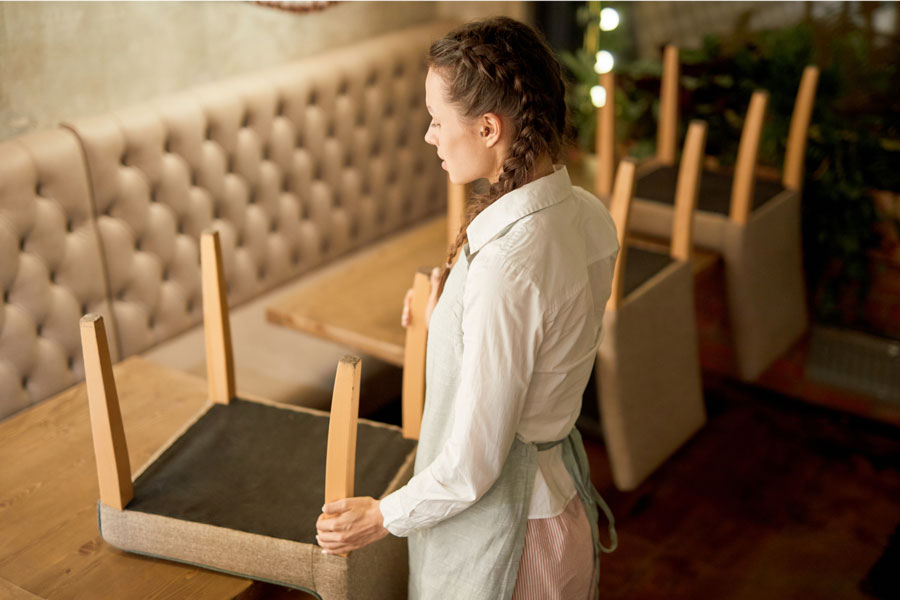
Chairs went up on tables all around me loudly, aggressively, not discreetly. Conversations between staff got louder and more personal. Lights up. Music lowered.

The message was crystal clear:

“We’re done here.”

I double-checked and Google said 10 p.m. Bartender confirmed 10 p.m.

My food arrived before 9:30, but the environment had completely changed. What should’ve been a relaxed drink turned into a rushed meal. Other guests felt it too and they started leaving.

By 9:35, I was essentially the only guest left.

No chance I was ordering another beer despite that being part of my plan. I finished quickly, paid, and was out by 9:40.

Total spend: about $25.

But here’s the real question:

Why would you make a paying guest feel so uncomfortable that they shorten their stay AND spend less?

What if I had walked by at 9:20 and saw chairs already up? I never would’ve come in.

From the outside, the restaurant looked closed. To any passerby, it was uninviting.

You didn’t just lose my second beer, you lost every potential guest walking by.

Experience #2: The High-End “Last Call” Mistake

Early March, NYC. I’m dining with two highly accomplished industry professionals. We chose a high-end sushi restaurant near Times Square.

Reservation: 30 minutes before their last seating.

Upon arrival the restaurant was about 35% full. A few tables were even seated after us.

We ordered promptly. Two of us ordered the most expensive items on the menu.

Halfway through the meal, the server approaches:

Example-2-High-End-Last-Call-Mistake

“The kitchen is closing. Anything else you’d like?”

Fair enough.

Then comes the kicker:

“This includes dessert.”

Wait…what?

You’re telling your highest-spending tables that dessert needs to be ordered now?

We didn’t even ask to see the menu.

Later, I looked and these desserts were simple. 30 seconds to plate.

Now let’s break this down:

  • Dessert revenue lost
  • After-dinner drinks lost (sake, espresso, cocktails)
  • Guest experience diminished
  • Negative feedback shared on-line
  • Solicited your competition on same street for that spend

All to save what? A few minutes of labor…if any?

That dessert round alone perhaps could’ve covered one chef’s hourly wage, if not more.

Instead, you went backwards. Giving a competitor revenue and receiving a negative on-line review.

We left while the restaurant was still 20% full…barely 30 minutes past “closing.”

Experience #3: The Right Way to Do It

Two days later, Meatpacking District.

We’re seated at closing time.

Example-3-The-Right-Way

The place is buzzing. The bar, packed. The dining room is full.

And yet, not once did we feel rushed.

We had cocktails, a bottle of wine, multiple courses, after-dinner drinks.

Our server even transitioned us smoothly to the closing server:

“Take your time. Enjoy your night.”

We left happy. Full. Impressed.

And yes, we spent.

Same city. Same type of guest. Completely different outcome.

One restaurant is thriving.

The other? Likely struggling.

The Disconnect: Hours vs. Reality

I recently consulted for a restaurant in a major tourist-driven downtown next to a convention center and arena.

90% of their business is out-of-town guests.

Posted Hours
10 p.m. weekdays
11 p.m. weekends

OpenTable Last Seating
9 p.m. weekdays
10 p.m. weekends

An hour gap.

Why?

The operator’s answer:
“The kitchen closes at 9:45 / 10:45.”

Let’s be clear:

Guests do not understand “kitchen closing.”

They understand:

  • Are you open?
  • Can I sit?
  • Can I order?

If your Google says 10 p.m., but your kitchen closes at 9:45 p.m. and OpenTable stops at 9 p.m.…

You’re not just confusing guests, you’re losing them.

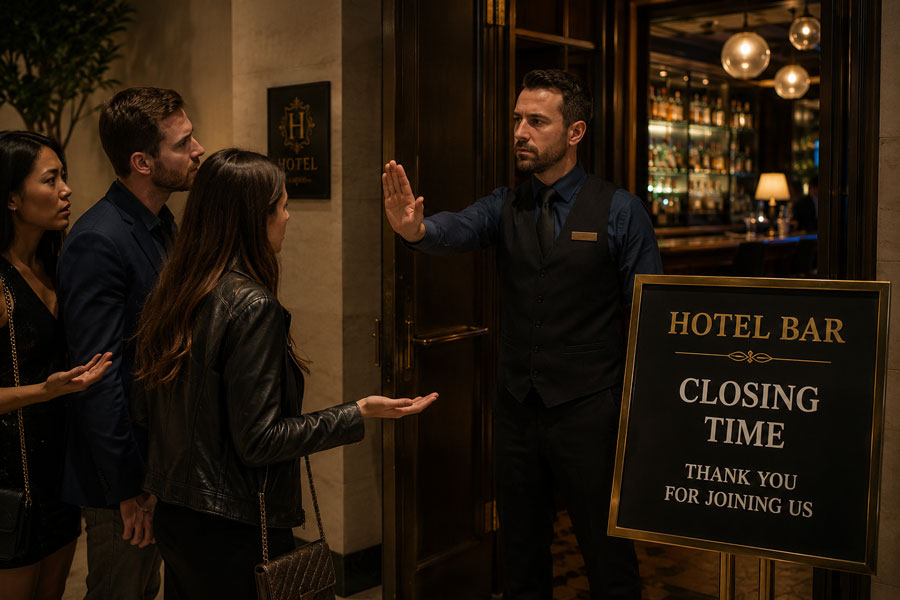
The Most Painful Example

Another property. Hotel bar. Admittedly unposted closing time: 10:30 p.m.

The-Most-Painful-Example

At 10:32, a group of 8–10 walks in.

Cash in hand.

They’re turned away.

This is downtown San Francisco. Automatic 20% gratuity.

Let's do the math:

  • $200+ in revenue
  • $40+ in gratuity

Turned away...for two minutes. Ten minutes of bartender work, as the kitchen closes at 9 p.m.

Why?

"We're closed."

No. You chose to be closed.

What Are You Telling Your Guests?

In every one of these situations, the message is the same:

“We’d rather close than accommodate you.”

And here’s the part operators need to understand:

Those guests are NEVER coming back.

Meanwhile, down the street:

  • McDonald’s is packed
  • White Castle is packed


Why?

Because when they say they’re open until midnight…

They mean it. No last orders at 11:45 p.m.

The Two Fastest Ways to Lose Guests

  1. Inconsistency
  2. Turning away willing spend


If I show up with money in hand, ready to spend—and you make it difficult, confusing, or uncomfortable…

You lose.

Not just tonight.

Forever.

Final Thought

If you want to close at 9:45—say 9:45.

If you want last seating at 9:30—say 9:30.

But stop the ambiguity. Stop the mixed signals. Stop prioritizing staff convenience over guest experience. Plan your budgets and consistency around these times.

Because every time you rush a guest out…or turn one away…

You’re not saving money.
You’re burning future revenue and bridges.

Losing one guest at a time is not a business model for long-term success.

Let’s be better.

Written by Mark Steele · Categorized: Industry Insights

May 26 2026

10 Reasons Alcohol Education is the Secret Ingredient to Better Hospitality

In restaurants, bars, tasting rooms, and even private gatherings at home, alcohol is often part of the experience, but understanding it is what elevates the experience. Alcohol education doesn’t have to feel stiff, pretentious, or like sitting through a sales pitch. In fact, the best education is engaging, memorable, and practical enough to use the very next day behind the bar or around the dinner table.

Many restaurants have 50% or more in alcohol sales, yet education is rarely focused on. Here’s why investing in alcohol education for restaurant staff or even hosting a tasting with friends at home can be one of the smartest and most enjoyable decisions you make.

1. Knowledge Creates Confidence

Guests can immediately tell when a server or bartender genuinely knows what they’re talking about. Confidence turns simple recommendations into trusted guidance.

Instead of:

“I think this one is good…”

Staff can say:

“This tequila is aged a little longer, so you’ll get more vanilla and caramel notes instead of that sharp bite some blancos have.”

That kind of confidence improves guest trust, increases check averages naturally, and makes hospitality feel more personal.

2. Education Makes Service More Fun

Guests love stories. Alcohol is full of them.

From centuries-old distillation traditions to bizarre liquor laws and unexpected flavor combinations, liquor education turns products into experiences. Training sessions become interactive conversations instead of dry memorization exercises.

The result? Staff become more engaged because they’re learning things they actually want to talk about.

3. Better Training Leads to Better Sales without “Selling”

Guests don’t want to feel pressured. They do want helpful recommendations.

When staff understand flavor profiles, production methods, and pairing concepts, they can guide guests naturally toward drinks they’ll genuinely enjoy. That creates better guest experiences and stronger sales at the same time.

The best upselling never sounds like upselling.

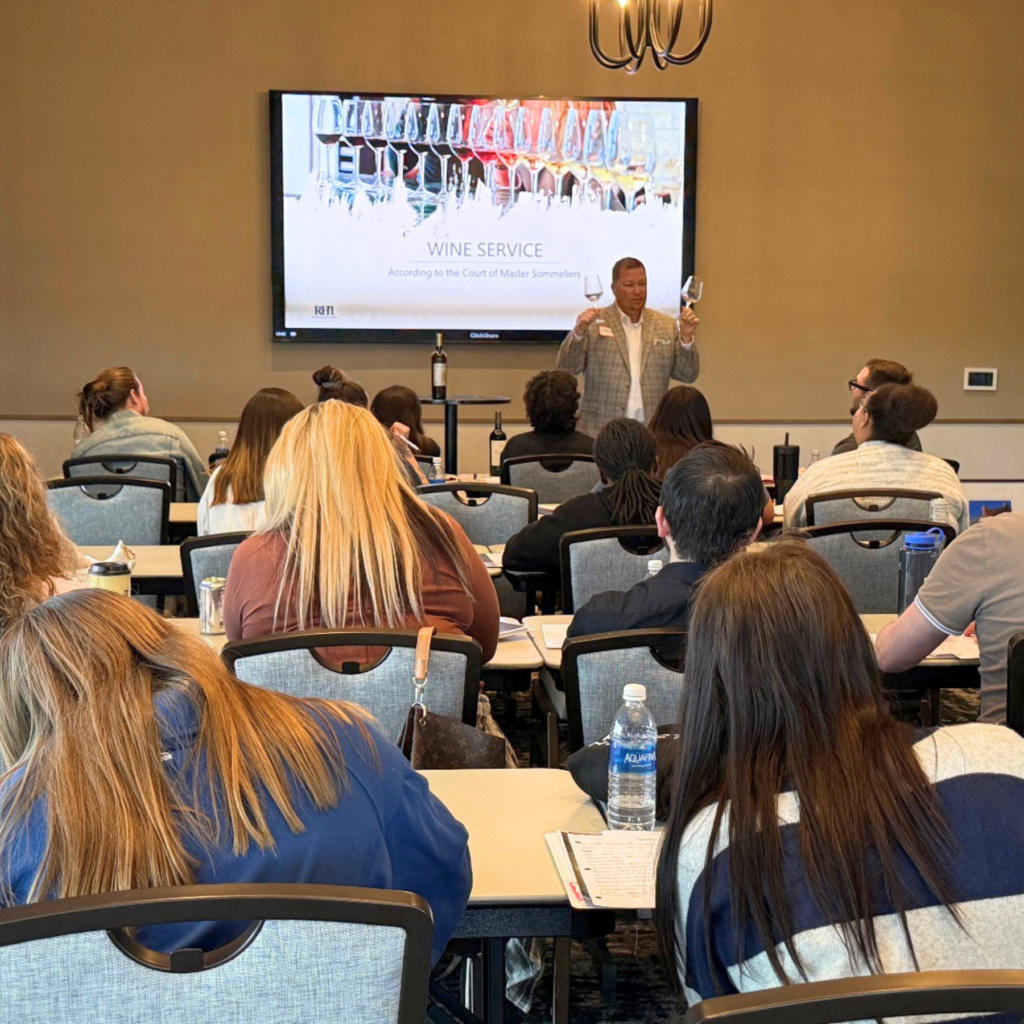
Wine Service Class

4. Independent Education Means Real Information

One of the biggest problems in alcohol education is bias.

Trainings led by suppliers or distributors have a goal ultimately to promote their own products. That can be useful for brand familiarity, but it often leaves out broader context.

Independent alcohol education changes the game. RHI’s libation educators maintain industry certifications including but not limited to The Court of Master Sommeliers, Cicerone Certification Program, and Sake Education Council. Libations featured in each course are hand-picked by our educators.

The benefit of an RHI training is no ties to wineries, distilleries, or vendors so our training can focus on:

  • Real production facts
  • Honest category comparisons
  • Industry truths
  • Blind tasting skills
  • Understanding why products differ

Not just why one supplier thinks theirs is the best.

That gives staff and guests knowledge they can actually carry with them anywhere.

5. Staff Retention Improves When Employees Feel Invested In

Restaurants that invest in education stand out.

Training communicates:

“We value your growth, not just your labor.”

Employees who feel they’re learning valuable, transferable skills are often more engaged and more loyal. Education helps create professionals instead of order-takers.

And professionals tend to stick around longer.

6. Guests Notice the Difference Immediately

A knowledgeable staff changes the atmosphere of a restaurant.

Guests feel more comfortable asking questions. Conversations become more engaging. Recommendations feel curated instead of rehearsed.

Even casual diners appreciate when someone can explain:

  • The difference between tequila and mezcal
  • Why one wine feels “dry”
  • How aging changes whiskey
  • Why certain cocktails taste balanced

It transforms a meal into an experience.

7. At Home Tastings Turn Ordinary Gatherings Into Memorable Events

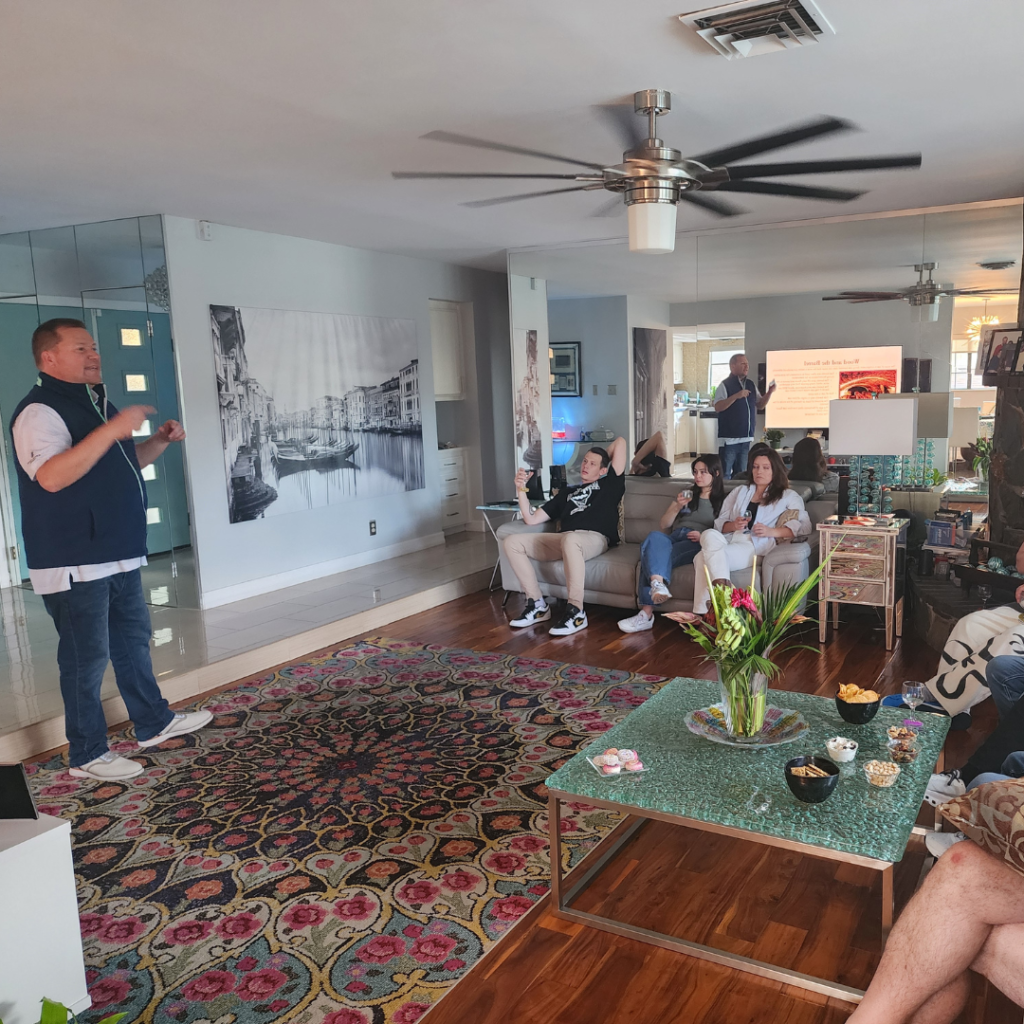
Alcohol education isn't just for restaurants. RHI offers group training in-home, on location, or at our offices.

Hosting guided tastings at home with friends can turn a standard get-together into something interactive and unforgettable. People love learning while they sip, especially when the environment feels relaxed and approachable.

A good tasting creates conversation, laughter, and discovery without feeling formal or intimidating.

And unlike scrolling through phones all night, guests actually engage with each other.

“Thank you so much for a wonderful evening. It was so informative and I loved Mark's presentation. I now feel like I can do a better job when I go to Total Wine!!"
- Vicky Flynn, participant in Alpha Chi Omega's in-home Champagne class.

8. Education Helps Demystify Alcohol

A lot of people think they “don’t know enough” about wine or spirits. That intimidation keeps them from exploring new things.

Good alcohol education removes the snobbery.

It teaches people that tasting is subjective, preferences are personal, and there’s no secret club they need permission to join. Once people understand the basics, they become more adventurous and more confident in what they enjoy.

9. Understanding Spirits Helps Prevent Waste

Training doesn’t just improve guest experiences, it also improves operations.

Educated staff are often better at:

  • Proper pours
  • Cocktail consistency
  • Storage practices
  • Inventory awareness
  • Product rotation

That means fewer mistakes, less waste, and more consistency across service.

10. Great Education Stays With You Forever

Trends come and go. Brands change. New products launch every week. But foundational knowledge lasts.

When people understand the actual mechanics of spirits, wine, beer, and cocktails like fermentation, distillation, aging, balance, pairing, flavor structure, they can apply that knowledge anywhere.

That’s the value of independent education: not memorizing marketing points, but learning concepts that genuinely stick.

Final Pour

The best alcohol education doesn’t lecture people. It invites them in.

Whether you’re training a restaurant team, elevating a bar program, or hosting a tasting in your own living room, education should feel approachable, entertaining, and useful. When it’s done right, people walk away not only knowing more, but enjoying the experience more too.

And when the education is independent and unbiased, the learning becomes even more valuable: real facts, real conversations, and real-world knowledge that extends far beyond a single bottle label.

Contact Coach Mark Steele to book a training session for your restaurant or private event. You can view a list of our pre-designed courses, or talk to Mark to build a custom training. Or, if you’re sipping solo and simply want to explore an introduction to wine or beer on your own, take our online class available 24/7.

Written by Mark Steele · Categorized: Industry Insights

Jun 03 2025

Celebrating Food Allergy Awareness Month with ACF Chefs Las Vegas

May is Food Allergy Awareness Month, and what better way to honor it than by sharing knowledge that keeps our industry safer and more inclusive? At Restaurant Hospitality Institute (RHI), we hit the ground running—bringing our passion for food safety straight to the community with free training on our newest certification: the Food Allergen Safety Techniques (FAST) card!

We were thrilled to partner with the American Culinary Federation (ACF) Chefs Las Vegas chapter for their May meeting, where we helped provide a top-notch continuing education experience for their members. Did you know RHI offers in-person training and exam proctoring for groups? Yep—we’re all about making learning accessible, flexible, and tailored to your needs.

Since ACF meetings are always packed with great content, the group opted for a hybrid learning experience. Members received a special access code to take the FAST course online—on their own schedule and at their own pace—before the big meeting. Then, our amazing co-founder and Chief Operations Officer, Cara Huey Steele, joined them in person to proctor the final exam and share the scoop on all the other professional development courses available at RHI.

People take the RHI FAST Card Test
ACF Chefs Las Vegas member takes a test
Cara-Steele from Restaurant Hospitality Institute Addresses Crowd

We had such a blast connecting with culinary professionals and empowering them with tools that keep kitchens safer for everyone.

Big congratulations to the newest FAST card holders! You’re not only taking allergen safety seriously—you’re adding a stellar credential to your resume. Way to go!

Written by Rachel Diehl · Categorized: Corporate Case Studies, Industry Insights

Apr 11 2025

RHI Cultivates Careers at The Blooming Bistro

The Blooming Bistro is one of Las Vegas’ newest venues to hit the dining scene. This restaurant is unique as it serves as a wellness and workforce training hub for disconnected and at-risk youth in Las Vegas.

Restaurant Hospitality Institute provides the hospitality training to employees of The Blooming Bistro.

“I’ve been in the hospitality industry for my entire life, but this project is near and dear to my heart,” said Mark Steele. “I am proud to have the opportunity to partner with my sister and continue our family legacy. By combining the missions of Restaurant Hospitality Institute and The Blooming Bistro we are using our hospitality expertise to provide a service that benefits youth and our community.“

The Blooming Bistro is the brainchild of Mark’s sister, Samantha Steele who believes that awareness, education, and the right support can transform lives. The program focuses on culinary and workforce training, substance use prevention, mental health education, suicide prevention, and whole-self wellness to empower and provide tools necessary to help the employee participants build a career path. Learning all aspects of restaurant service, they gain skills honed in a real world setting. Students who graduate from the program are battle-tested and ready to thrive in a hospitality setting.

Are you a local hospitality business in need of workforce-ready employees? Reach out to Mark Steele and he’ll connect you with students who are ready to work for you!

Written by Rachel Diehl · Categorized: Industry Insights

  • Page 1
  • Page 2
  • Go to Next Page »
  • Home
  • Corporate Management
  • FOH & BOH Staff
  • Party Planners
  • Work Cards
  • RHI 101
  • Industry Insights
  • Course Login
  • Let's Talk

CHOOSE SUCCESS!

Sign up to get industry insights and new service announcements.
!
!
!
Subscribe
Something went wrong. Please check your entries and try again.

702-895-6688

success@rhinstitute.com

(opens in new tab) (opens in new tab) (opens in new tab) (opens in new tab) (opens in new tab)

Copyright © 2026 Restaurant Hospitality Institute | All Rights Reserved | Site Built by KateOGroup, LLC for Happy Bird Studio LLC